

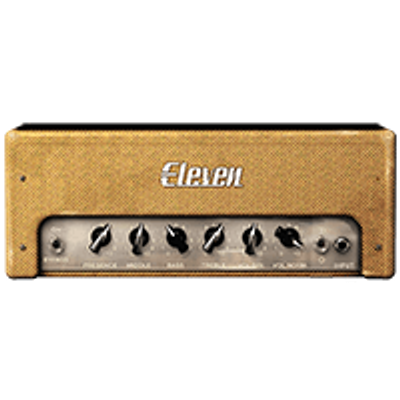
’59 Tweed Bass
The model '59 Tweed Bass It is based on the classic amplifier Fender Bassman 1959 (tweed).
Main features:
- Sound warm, full and dynamic
- Excellent base for blues, rock and pedal platformers
- Progressive breakup (more headroom than Deluxe)
- Less pronounced mids, more sound open and balanced
It is one of the most versatile amps:
- Clean rich
- Soft crunch
- Great with external overdrives
Controls
Bright channel volume
Brighter and more defined sound
More presence in the high frequencies
Ideal for:
Lead
Sharper sounds
Channel volume Normal Warmer and darker sound Fuller in the low frequencies Ideal for:
- Rhythmic Soft sounds
Controls low frequencies.
- High → full sound but can become flubby
- Low → more defined sound
Recommended:
35–55%
Controls the mid frequencies.
- Low → hollow sound
- High → more present and “rock” sound Important for standing out in the mix
Controls the high frequencies.
- Low → warm sound
- High → bright and defined sound
High frequency control in the power amp.
Adds attack and clarity More natural than the Treble
Final volume control.
- Negative values → attenuation
0 d
- B → neutral level
- Positive values → boost
Does not change the timbre
Pro Tips
Bright / Normal interaction
These two controls mix together:
- Bright high + Normal low → bright sound
- Normal high + Bright low → warm sound
- Both high → rich, thick and complex sound
Trick:
- Use both around 40–60% creates the classic “jumpered” sound
BEHAVIOR OF THE AMPLIFIER
- More headroom compared to the Deluxe → stays clean longer
- Breakups progressive and musical
- Excellent pedal response (overdrive, boost)
- Sound: less compressed, more open, more “American”
CONTROL INTERACTION
- Vol Bright + Vol Normal = basis of sound
- EQ it also changes the character of the saturation
- Bass high → softer and less defined sound
- Presence adds definition without making the sound harsh
QUICK EXAMPLES
Clean warm
- Bright: 30%
- Normal: 50%
- Bass: 45%
- Middle: 50%
- Treble: 50%
Blues crunch
- Bright: 50%
- Normal: 50%
- Bass: 40%
- Middle: 65%
- Treble: 55%
Vintage rock
- Bright: 60%
- Normal: 40%
- Bass: 35%
- Middle: 70%
- Treble: 60%
SUMMARY SCHEME
- Vol Bright → brilliance
- Vol Normal → body and heat
- EQ → defines the character
- Output Level → final volume
Tweed Bass mentality
“Mix the two channels + control the bass = perfect sound”
Setup Examples
ERIC CLAPTON STYLE (“Bluesbreaker / Woman Tone”)
Focus: warm sound, rich in mids, with dynamic response to the touch
OVERDRIVE / BOOST (optional)
USA K Drive or S1 Drive light to obtain the classic “boost” on the lead:
- Drive: 10–15%
- Level: 60–70%
- Tone: 50–55%
It is used for:
- support long notes
- accentuate expressiveness without dirtying the sound
- reproduce the famous “woman tone”
TREMOLO
OFF (Clapton does not use tremolo in this style)
HOW IT SOUNDS
- Clean → warm and round
- Strong attack → light natural crunch
- Long notes → “sing” like the original Les Paul / Tweed amp sound
HOW TO PLAY IT (important)
- Pick-up: handle → soft lead
- Pick-up: bridge / center → more defined rhythm
- Guitar volume:
- 6–7 → clean
- 8–10 → light crunch
- Technique: Wide Vibrato, Volume control with the right hand, Expressive bending
More aggressive / blues-rock variant
- Middle: 65–75%
- Presence: 60–70%
- K Drive / S1 Drive Level: 70–80%
More incisive sound, excellent for rock-blues solos
Clapton sound mentality
- Mids + dynamics + neck pickup = woman tone
- Little gain on the amp
- Lightweight boost in front for support and singing