

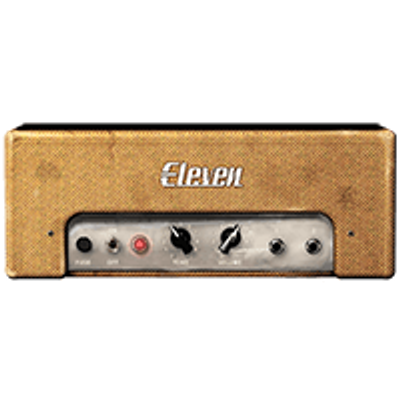
’59 Tweed Prince
The model '59 Tweed Prince It is inspired by the classic amplifier Fender Princeton 1959 (tweed).
Main features:
- Overdrive soft and natural
- Light breakup already at medium volumes
- Warm and dynamic sound, perfect for blues, jazz and light rock
- Very sensitive response to guitar touch and volume
The Tweed Prince is ideal for those looking for a clean vintage sound with the possibility of light crunch without being too powerful or saturated.
Controls
Control the high frequencies / brightness:
- Low → warm and dark sound
- High → bright and defined sound Tip: adjust to obtain balance between clean and attack on single notes.
Controls the preamp level:
- Low → clean
- High → natural crunch / light overdrive
- Interacts with the
- Tone: more volume = more saturation → more perceived brightness.
Control of the final volume of the amplifier:
- Negative values → attenuation 0 d
- B → neutral level
- Positive values → boost It does not alter the timbre, it serves to balance the overall volume of the preset.
Pro Tips
BEHAVIOR OF THE AMPLIFIER
- Natural breakup at medium-high volumes
- Answer dynamics to the touch and volume of the guitar
- Tone + Volume work together to define brightness and crunch
Recommended sound: warm, soft and defined, suitable for blues / jazz leads or vintage rhythm
FINAL ADVICE
- The key to the Tweed Prince: dynamics + guitar volume control
- Tone modulates brilliance and attack
- Volume modulates the natural crunch
- Output Level serves only to balance the preset on the rest of the effects chain
Setup Examples
Clean vintage
Light crunch / blues
Singable lead
Eric Clapton Style (“Bluesbreaker / Woman Tone”)
Overdrive / Boost (optional)
K Drive or S1 Drive lightweight
- Drive: 10–15%
- Level: 60–70%
- Tone: 50–55%
It is used to make the notes sing without dirtying the timbre
Sound
- Clean → warm and round
- Strong attack → light natural crunch
- Lead → long, singable notes
Recommendations for use
- Neck pickup → soft lead
- Bridge pickup → defined rhythm
- Guitar volume:
- 6–7 → clean
- 8–10 → light crunch
- Technique: Wide vibrato Right hand volume control Expressive bending
- Wide vibrato
- Right hand volume control
- Expressive bending
More aggressive / blues-rock variant
- Volume: 50–55%
- Tone: 55–60%
- K/S1 Drive Level: 70–80%
Gary Moore Style (Blues/Rock Lead)
Overdrive/Boost
- S1 Drive / K Drive
- Drive: 20–35% → sustain and crunch
- Level: 70–85%
- Tone: 55–65%
Fundamental to obtain Gary Moore's typical singing sound
Sound
- Clean → light crunch with natural dynamics
- Lead → long, sustained notes
- Full-bodied and warm sound, with pronounced mids
Recommendations for use
- Neck pickup → soft lead
- Bridge pickup → sharper solo
- Guitar volume
- 6–7 → light crunch
- 8–10 → cantabile solo
- Technique
- Wide vibrato
- Dynamic control with right hand
- Expressive and controlled bending
Final advice
- Clapton → softer and more dynamic
- Moore → more incisive and singable lead
- Always use the guitar volume to modulate the natural crunch of the Tweed Prince